The emotional seasons of Motherhood: The Whiplash/Tiny dictator years—Toddlers + school aged kids
One child is melting down because their banana broke in half. The other is devastated because their best friend didn’t sit with them at lunch.
One needs help putting on their shoes. The other wants to discuss fairness, friendship, and the meaning of life on the drive home from school.
Welcome to what I call The Whiplash Years. The season of parenting toddlers and school-age children simultaneously.
The season where your nervous system barely has time to adjust before you’re switching gears again. One moment you’re negotiating with a tiny dictator who refuses to get dressed. The next, you’re helping an older child navigate disappointment, social dynamics, anxiety, or growing independence.
It’s exhausting. I remember feeling so grateful that my 2 children were born with a 4 ½ year age gap. The physical needs of a preschooler are far less than that of a toddler. But with less physical needs come more complex emotional needs. And the need to navigate and support this growing complexity for my older of her emotions.
The Emotional Multitasking No One Talks About
When people think about parenting multiple children, they often focus on logistics. The schedules. The carpools. The activities. The snacks. So many snacks. That in and of itself is a lot. But what often goes unseen is the emotional labor. Because in this season, you’re not simply managing multiple children. You’re managing multiple developmental worlds.
One child still needs co-regulation. The other is learning emotional regulation.
One child communicates through tantrums. The other communicates through attitude, tears, or shutting down.
One needs physical help. The other needs emotional guidance.
You spend your days rapidly shifting between completely different parenting roles. No wonder so many mothers feel exhausted. And with no one to validate this uniquely straining mental load, emotional multitasking. Sometimes physical needs feel easier despite the stamina required and the toll they may take on a woman’s body. Emotional needs take a toll too. Constantly being pulled back and forth between the two, takes a toll.
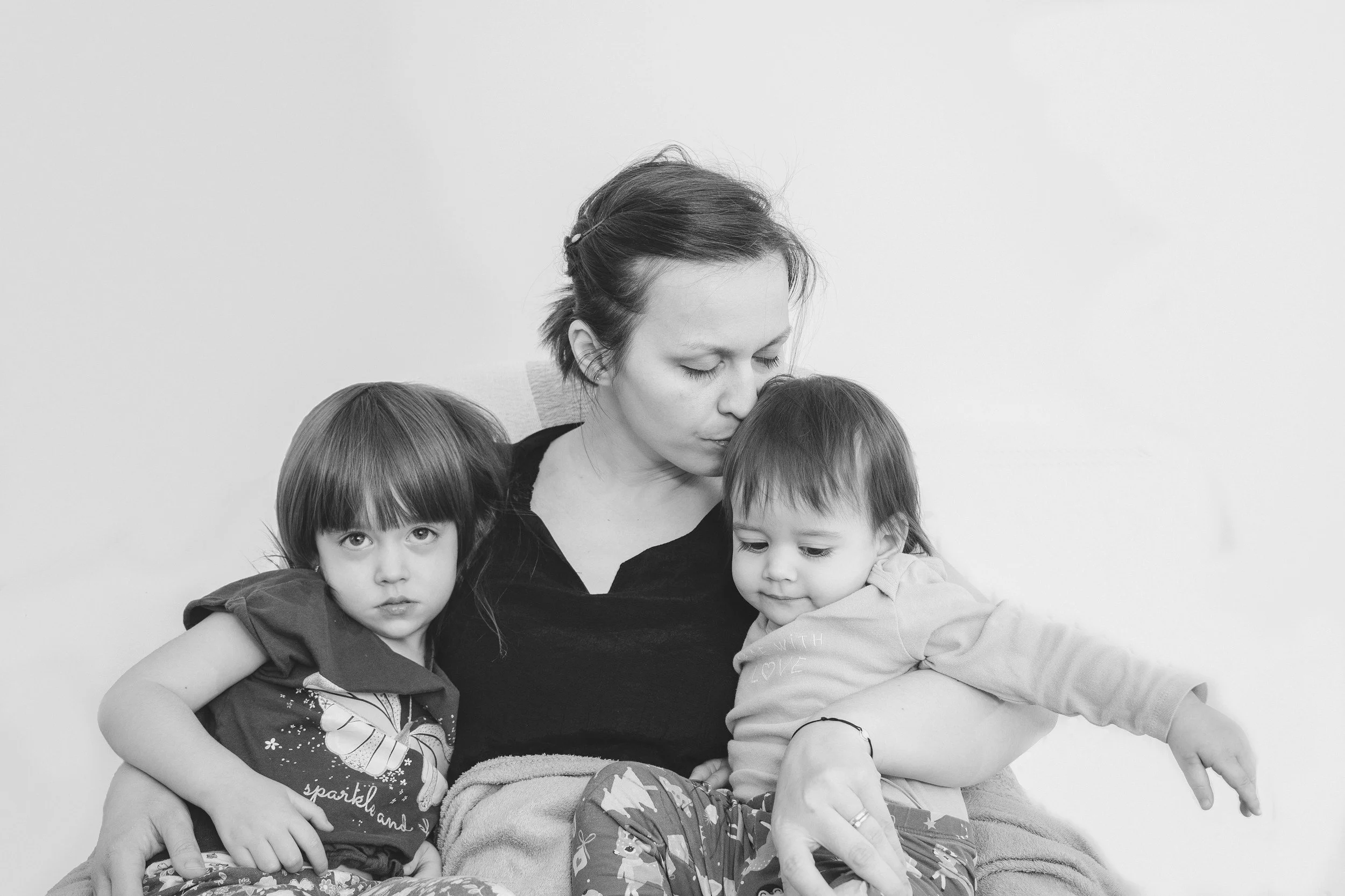
The Constant feeling of being pulled in two directions.
You spend your days rapidly shifting between completely different parenting roles.
One of the hardest parts of this stage is the feeling that someone always needs something. When you’re helping your toddler, your older child needs attention.
When you’re helping your older child with homework, your toddler is climbing the furniture or doing artwork on the carpet with markers.
When you’re listening to one child’s story, another is interrupting.
The older wants you to read a complex, well developed story while the younger would be content just flipping through the pictures. You are not reading fast enough.
When you’re meeting one need, another need emerges. And you never feel like you are meeting either one of their needs completely.
Many mothers quietly carry a sense of guilt during this season. They wonder: Am I giving enough? Am I missing something? Am I doing this well enough? The reality is that parenting children in different developmental stages often means feeling stretched. Not because you’re doing it wrong. Because you’re doing something incredibly demanding.
Why This Season Feels So Overstimulating
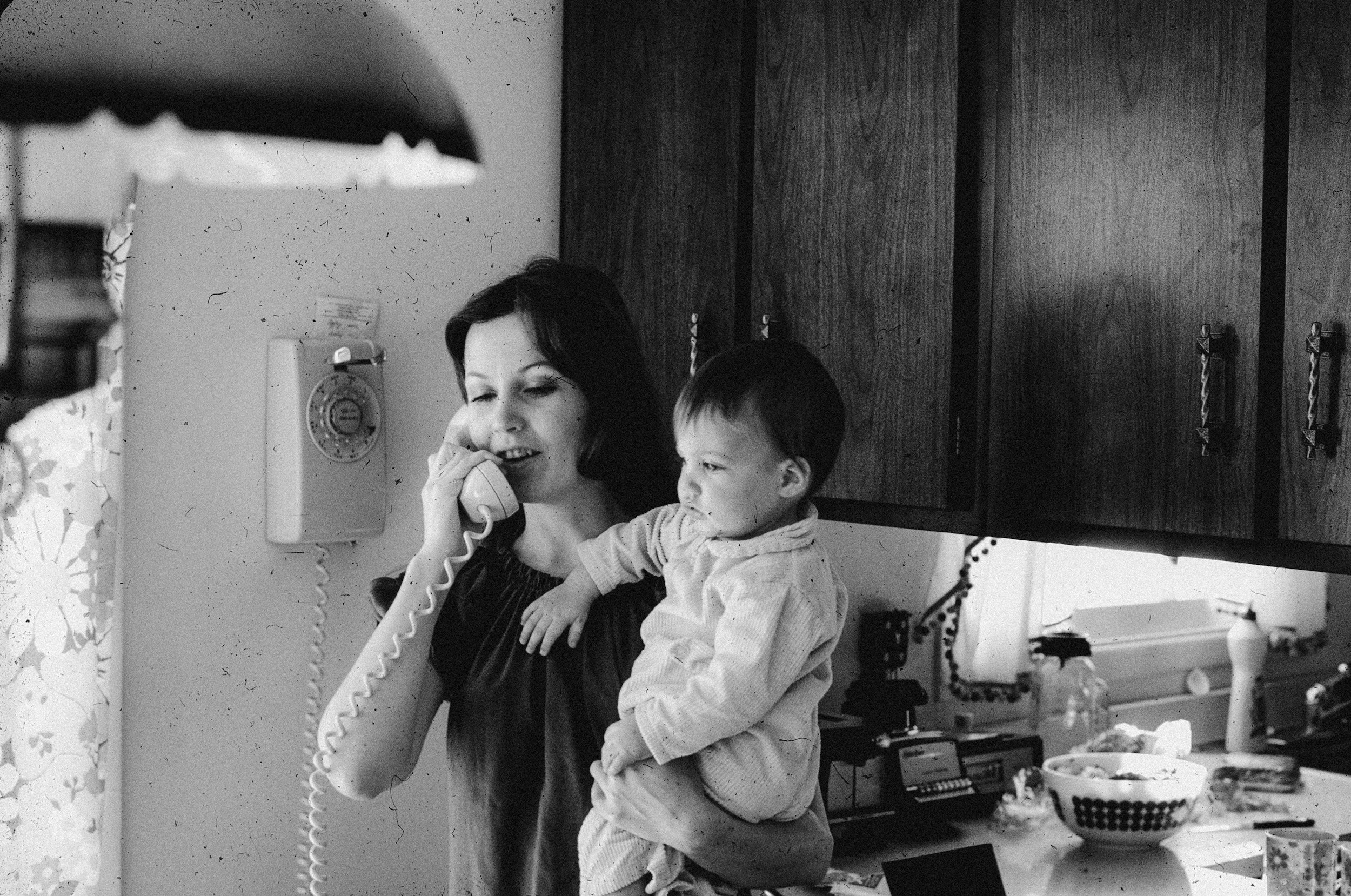
Toddlers bring physical chaos. School-age children bring emotional complexity.
Every day.
Your day may include: A tantrum before breakfast. A forgotten homework assignment. A sibling argument. A conversation about friendship struggles. A spilled drink. A soccer practice. A bedtime meltdown. A deep question about why bad things happen. All before 10am.
This morning, my daughter (7 years old) woke up saying that she felt hot, and had felt randomly cold all night. It is her last week of school before summer and she did feel feverish. But her temperature was normal. She told me she didn’t want to miss school. She has had these same symptoms most afternoons since Thursday last week. I think she’s exhausted. I reminded my daughter of how she can go to the nurse at her school and call for me to pick her up if she keeps feeling terrible and we talked through the steps. I gave her Tylenol. My (toddler) son woke up and needed to go to the bathroom, he needed help unzipping his onesie. I took it off of him so I could also remove his pull-up and he needed to get dressed so we could take his sister to school. He ran around the house naked refusing any other clothes for 30 minutes while I was trying to get the kids to eat some breakfast. My daughter then had a huge tantrum about her hair; concerned about how she would look today with her peers. I could tell that she wanted help with it, but as I listed options, she got increasingly frustrated and yelled, became aggressive with her brother. Eventually I figured out she wanted a single French braid. As I was trying to braid her tangled hair (from swimming and chlorine yesterday) despite her brushing, her brother (toddler) started yelling that he wanted goldfish. He had barely eaten any breakfast. I offered him a few goldfish that were left over from the day before, he didn’t want that. He was insisting that I open a new bag. I finally finished braiding my older daughter’s hair and as I tried to get up to redirect my toddler from opening a new snack; I bonked heads with my daughter and we both ended up with huge goose eggs. I was in tears of pain and frustration; she was in tears of pain and shame. All morning had felt like a struggle. My heart was racing. I was in pain. I had just yelled at both of them and I felt terrible. It felt like all of their needs had only been met halfway, it felt like I needed to keep working, keep acting, keep making it better for everyone, but it wasn’t time to leave for school yet. It took all of me to just sit on the couch, hold my older daughter’s face and tell her “I’m sorry, I love you. That was not your fault.” Together we breathed together, we co-regulated. Things became a bit more peaceful until we needed to get out the door for school….
This season requires mothers to pivot constantly between practical caregiving and emotional caregiving. The mental flexibility alone can be exhausting.
The Tiny Dictator Problem

Toddlers are also tiny humans discovering independence with absolutely no impulse control
But beneath the chaos, toddlers are doing exactly what they’re designed to do.
Toddlers are wonderful. Toddlers are hilarious. They want autonomy. They want power. They want control. And they want all three immediately. Many mothers spend this season feeling frustrated by the endless battles over things that seem insignificant. Some battles are not worth fighting but when Mom doesn’t have any of her needs met, she may just want to win this one. Your toddler feels the same way but can’t remember 2 minutes ago when he got the exact snack in the exact situation he asked for. The blue cup. The wrong socks. The broken granola bar. The fact that gravity exists.
But beneath the chaos, toddlers are doing exactly what they’re designed to do. They’re learning who they are and they’re little brains are developing. The challenge is that their developmental work often collides directly with your already maxed-out nervous system.
The Big Feelings Problem
Meanwhile, your school-age child is entering an entirely different world. Friendships become more complicated. Comparison begins. Self-esteem develops. Social wounds deepen. Anxiety can emerge. Questions become bigger. Problems become less visible. Unlike toddler struggles, which often happen loudly and immediately, school-age struggles often happen quietly. Parents have to be more intentional about connecting and finding out about their kid’s day because they spend more hours away from home at school or with peers because they are more independent and capable of being away from mom. But that doesn’t mean they don’t need their Mom just as regularly; they just aren’t clingy, whining, or crying. Sometimes it’s hard to remember that their needs are there too.
Mothers can feel immense pressure to stay emotionally available while still managing the demands of younger children.
This Season Can Trigger Old Wounds
For many mothers, the Whiplash Years bring unexpected emotional challenges. Not because of the children. Because of what the children activate. The toddler’s defiance may trigger feelings of losing control. Mothers constantly have to be flexible and patient under stress. The older child’s struggles may awaken memories of your own childhood hurts. Kids are experiencing bullying, struggles with body image, and even gender confusion earlier and earlier these days. The constant demands from your kids may expose how little support you’ve received yourself when you don’t have the opportunity or the ability to enter into their struggles alongside them. Suddenly, parenting isn’t just about raising children. It’s about navigating your own nervous system while doing it.
What Mothers Need in the Whiplash Years
Not more pressure. Not more perfection. Not more parenting hacks. What many mothers need is: support, community, rest, compassion, boundaries. And permission to stop expecting themselves to do this flawlessly. You are not supposed to meet every need perfectly. You are not supposed to have endless patience. You are not supposed to carry this season alone.
With your partner divide and conquer. Foster your older child’s interests; girl scouts, sports, robotics; whatever it is, whoever enjoys it, hang out with your older and give them one on one time. Try 10 minutes/day at the minimum but your child’s “love tank” may get filled up with longer experiences and be more likely to handle less one on one time later that week. While one parent spends time with the older kid, the other is with the toddler. This time apart from one another for your kids and individually with Mom and Dad builds security in their attachment with you and it gives them a renewed energy and eagerness to play together as siblings, nicely and with the same manners and kindness they treat their peers. Secure attachment leads to confident and kind kids.
School drop offs are intense, not just in kindergarten. It may be a bit easier but anticipate INTENSITY. Getting kids out the door at any ages is hard, but with your older, they are preparing for a day apart from you at school and you are trying to get them out of the door wit what they will need (lunchbox, clothes, teeth and hair brushed, breakfast, etc. etc.) On top of this most parents have to bring their toddlers along for the entire thing. Everything needs to be done for your younger child, but they are able to do less for themselves and sometimes move even slower. You try your best to part ways with your older kid with a smile or a kiss or “have a good day” and some days are better than others. Mornings + School Drop offs may only take 1.5-2 hours/ but give your self to rest, recharge, reboot afterwards. Once your older is off to school, take some down time, whether that’s a hard work out with your kids at childcare, a show or some time where you are unashamedly allowing your toddler to play independently. Believe me, even your toddler felt the intensity and needs some downtime too.
If You’re Living in the Whiplash Years
I see you. My seven-year-old daughter is out of school for the summer in 5 days. I am filled with anxiety and anticipation. I do look forward to the open days ahead, not having to rush out the door for school drop off during the week, not having to get pack her school lunches or help her get her homework in on time. But truthfully I feel anxious about the upcoming summer vacation. We have a family trip planned, some camping trips, day camps, other fun activities. I cherish our summer memories. AND I remember feeling like a cruise director at the end of last summer. I remember resenting ALL the work it took to plan the play dates and the varied activities. Event when she is at camp, my toddler son is with me and I have to come up with activities with him. There is just not a regular consistent routine as in the school year. This is both positive and negative. Last week I asked my daughter, “what is on your bucket list for the summer?” After I explained to her what a bucket list was, she replied, “I want to do all the fun stuff that you plan.” “Like what, honey?” I replied. And she said, “like what you usually plan.” Ugh! Coming up with all the plans is half the job. And though it sometimes brings up resentment in me if my kids plans are different that I would want, I do not want to be their cruise director this year. I want to do things differently. I’m trying to prioritize me and some of what I want in ALL the activities I plan this summer. We can go swimming but we are going to bring along a friend so I can be more hands off and I can swim laps. We will go to the children’s museum, but first we will visit a festival with gardens that I have wanted to see for years first. My toddler son can stay home with his dad and miss some of the excitement sometimes. My daughter can be bored at home or in the childcare at the gym more times during the week than she would prefer. Maybe we won’t go out camping two weekends in a row, just because I don’t feel up to it. This summer I am going to prioritize myself too. It is also MY summer.
To the mother who spent her morning negotiating with a toddler and her afternoon helping an older child process a broken friendship: I see you. To the mother who feels pulled in ten directions before lunch: I see you. To the mother who wonders if she’s giving enough to everyone: I see you too. This season is demanding because you are holding multiple worlds at once. And even on the days when it feels messy, loud, and impossibly hard, your presence matters more than your perfection. You are the container that your children long for; the safe space and person that can bring them calm with your grounding breath and touch.
The Whiplash Years won’t last forever. But while you’re here, may you offer yourself the same compassion you offer everyone else. Because mothers need care too. And if you need someone to remind you of that compassion on the regular, reach out. I specialize in helping mama untangle and process their own stories and offer themselves compassion in the most difficult parenting moments.
Grace for the journey, healing at the root.