The Emotional Seasons of Motherhood: The Stretching years—School aged + middle school children
The Stretching years: learning to let go and hold on at the same time
One day your child needs help tying their shoes, the next day, they’re asking for privacy. One day they tell you everything, the next day, they are giving you one-word answers from the backseat. One day you are their whole world, the next, friends, coaches, teachers, and social media seem to matter just as much—if not more. It’s infuriating.
Welcome to The Stretching Years.
The season of motherhood where your children still need you deeply, but not always in ways that you recognize. The season where your heart expands, your worries multiple, and your role continues to change. The season where you are continually called to hold on and let go at the same time.
This is the season no one prepared you for. And it triggers something deeply in each of us mothers who have lived the last 7-10 years feeling needed physically. Are we even needed now? And what do we do with ourselves and our feelings if we are not needed?
When our children were little, the needs were obvious. Feed them. Protect them. Comfort them. Keep them alive. Far more obvious needs. But somewhere between elementary school and adolescence, motherhood became less about managing behavior and more about shepherding hearts. Your influence feels like it’s limited to those quick moments when you drop your child off at school, or when you pick them up. After school your child doesn’t always want to sit at the counter with you and share details about their day; you child is eager to tune out, they have earned a well-deserved break and it isn’t always what you want or desire after their full day away from you.
You can no longer solve every problem, you cannot attend every recess, you cannot protect them from every disappointment. You cannot choose their friends. You cannot experience life for them or prevent them from experiencing pain. Your child is becoming their own person. Exactly what you want, and it is surprisingly painful.
Stretching happens in BOTH directions.
This season stretches children. And it stretches mothers too. Your child is learning independence, you are learning trust. Your child is finding their voice, you are learning when to speak and when to listen. Your child is learning who they are and you are adjusting to who they are becoming. Growth is rarely comfortable and it is happening on both sides of the relationship.
Worries become bigger. In the younger years, fears were concrete: did they eat, did they nap, did they buckle their seatbelt? Worries are harder to see now. You wonder: are they being included? Do they feel lonely? Are they confident? Are they anxious? Are they making good choices? Do they know how deeply they are loved. Are they okay? Concerns cannot be solved with a snack, a nap, or a Band-Aid. And we as mothers can carry these concerns like a heavy load that we were never meant to carry alone. The emotional uncertainty can be exhausting.
In Matthew 11:29, Jesus invites you: “Take my yoke upon you and learn from me, for I am gentle and humble in heart, and you will find rest for your souls.” This is an offer of partnership, replacing heavy burden and self-reliance with His grace and guidance. This is an excellent place to begin. And with a posture of prayer, inviting God to give you guidance and perspective as a parent. You can’t handle this on your own and you don’t have to. I encourage you, start early, lay your parenting burdens at Jesus’ feet. Acknowledge that you feel lost and intercede on your child’s behalf. You are not the only one looking out for your kiddo. Thank goodness.
Friendship Wounds will Hit Different as social situations matter more to your child.

One of the hardest parts of this season is watching your child experience pain you cannot fix.
As mothers, we often want to rush in and protect.
A friendship ends. A group excludes them. Someone says something hurtful. They fail at something they cared about. They experience disappointment. And suddenly you’re watching your child’s heart break while feeling your own ache right alongside it.
I was sitting at the park this afternoon with some other mothers watching my school aged daughter play on her own. We had met one other friend at the park that day and this particular friend had brought another friend along with her that my daughter didn’t know. My daughter what felt like eternity to find a way to join these other two kids that clearly were speaking a different “play language” than she was accustomed to. I wanted to go in and fix the situation, help her insert herself in the group much earlier. I even tried, but it didn’t actually work. My daughter had to figure out her own way to learn to play with these kids and she eventually looked like she was really enjoying herself. These are the skills I actually want her to have. Because there are so many times on playgrounds, at school, where she has to figure social situations like this one out. Which is exactly what she did.
Much of parenting during The Stretching Years involves learning how to sit beside our children in discomfort rather than rescuing them from it.
That takes courage. It took courage for me to let my daughter figure it out that day, on her own.
Technology, Comparison, and the Modern Childhood Experience
This generation is growing up in a world many of us never experienced. We are learning the effects of this information age a long with them. Their social lives don’t end when school ends. Comparison is constant. Information is endless. Opinions are everywhere. Pressure arrives earlier. And mothers often feel responsible for helping children navigate challenges they themselves are still trying to understand. We are learning along with them. It’s a lot. And it’s okay to acknowledge that.
Why This Season Feels Like a Little Bit of Grief
There is something many mothers don’t talk about during this stage. Grief. Not because anything is wrong. Because something is changing. The child who once reached for your hand automatically now walks ahead. The bedtime routines shift. The conversations change. The dependence decreases. You begin saying goodbye to certain versions of your child while simultaneously getting to know new ones. It’s beautiful. And it’s bittersweet. Both can be true.
Christian Mothers and the Fear of Getting It Wrong
Many Christian mothers enter this stage carrying enormous pressure. You want your children to love God. To make wise choices. To build strong character. To know truth. To develop healthy relationships. To avoid unnecessary pain. And because you care so deeply, it’s easy to begin carrying responsibility for outcomes that were never fully yours to control. But children are not projects. They are people. And faithful parenting is not the same thing as perfect parenting. You are planting seeds. You are showing up, above all, offering your presence. A safe containing space. You are modeling love. You are creating safety. And ultimately, God cares about your child even more than you do.
The Stretching Years Often Reveal Our Own Wounds
There is another reason this season can feel so challenging. Our children begin reaching ages where they mirror parts of our own story. Parts of our stories that we have buried. Where we experienced real pain and where we experience this pain again through them. But it’s not processed yet and it needs to be so that we are not projecting our experience of pain on our children.
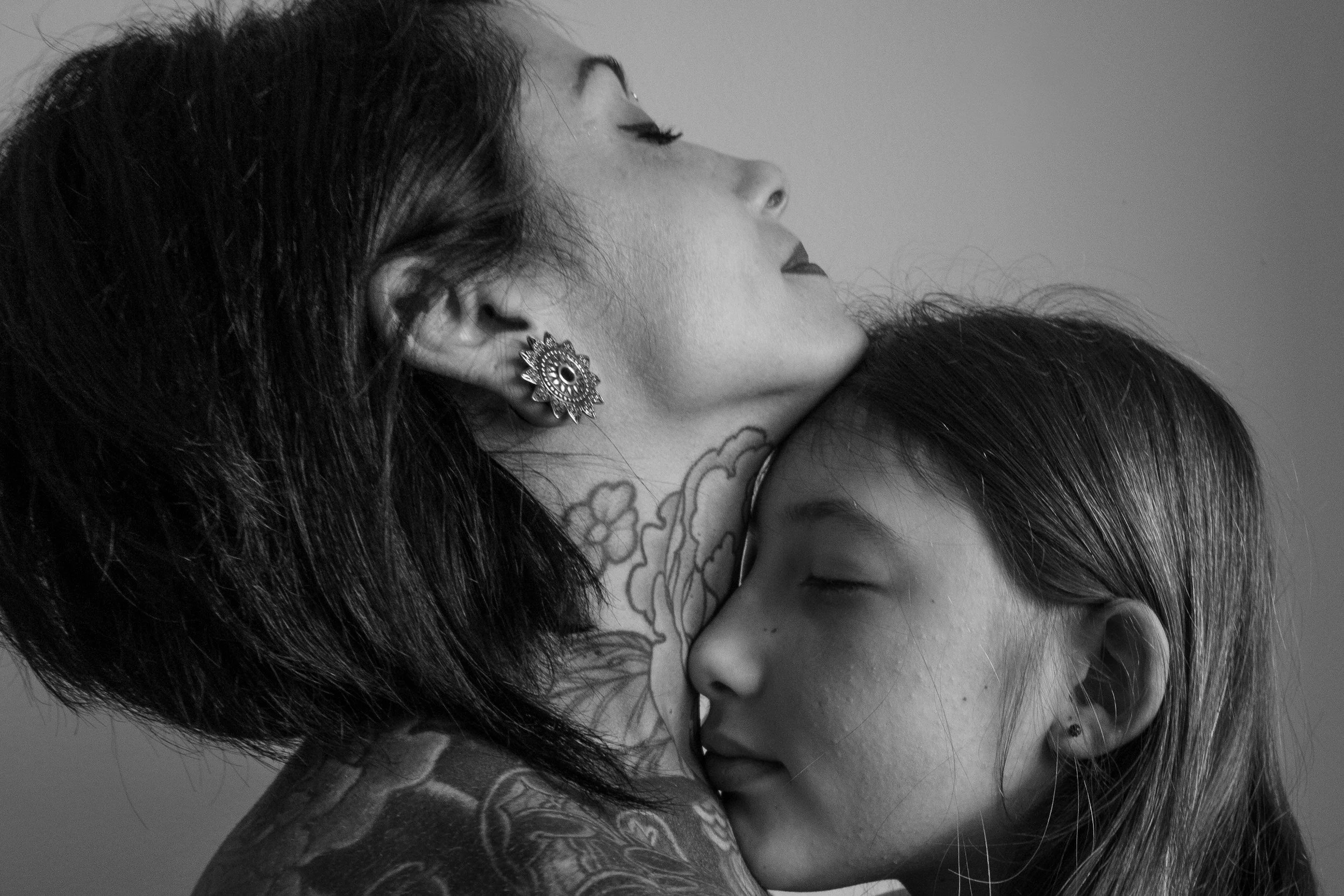
Their friendship struggles may remind us of our own childhood hurts.
Their insecurities may awaken memories we thought we’d moved beyond.
Their independence may challenge our need for control. Their mistakes may trigger our fears. Sometimes the stretching is not just happening in our parenting. It’s happening in our healing. This is what I specialize in, helping mothers whose old wounds have been triggered in their parenting and they are struggling to see where their child ends and their pain begins. It gets all tangled up and I can help you untangle the pain. Your child was never meant to carry it for you and You will be a better parent if you process your own pain first. This is so hard for mothers, especially when their kids’ pain in loud and blaring, maybe even bleeding. But a mother cannot help her son or daughter process if their own pain is getting in the way. This is where a mother needs to find her own therapist, sometimes even a therapist for their child. That doesn’t make you a failure as a mom. It means you are bravely asking for help.
What Mothers Need During The Stretching Years
Not more fear. Not more pressure. Not more reasons to believe they’re failing. What mothers often need is: Grace. Support. Perspective. Community. Healthy boundaries. And reminders that their job is not perfection. Their job is presence.
If You’re in The Stretching Years
To the mother watching her child grow faster than she expected: I see you. To the mother carrying worries she rarely says out loud: I see you. To the mother learning how to loosen her grip while keeping her heart open: I see you too. This season asks something unique of mothers. It asks us to trust. To release. To adapt. To keep loving while we slowly surrender control. And that kind of stretching is holy work.
The Stretching Years are not about losing your child. They are about growing alongside them. Your role is changing. But your importance is not. Your child still needs your presence. Your wisdom. Your encouragement. Your steady love. And as you navigate this season of becoming, may you remember: Growth always involves stretching; and stretching is often where the most beautiful transformation happens.
Grace for the journey, healing at the root.