How we show them God: Faith Begins with Questions
Middle School and Early Adolescence—Faith through the seasons of Motherhood
There comes a time where the tiny prayers become less predictable, Bible stories become less central, and questions become much harder. A bigger question than your toddler’s “why?” More complicated, uncomfortable, challenging, sometimes said with an eye roll, but always, genuine curiosity. If you are raising a Christian child entering middle school or adolescence, this can be one of the most tender—and stretching—seasons of faith formation. Your child goes from “This is what my family believes,” to “what do I believe?”
Mom, this transition can bring up a lot: fear, grief, control, anxiety, and even a bit of panic. When our children are little, it feels like their faith is something we can create for them. Eventually, our children begin to realize that their faith belongs to them.
Faith begins with questions
From a developmental perspective, adolescence brings significant changes in the way young people think. They become more capable of abstract reasoning, consider multiple perspectives; they can think about hypothetical situations, even recognize contradictions. Your children may begin to ask questions that don’t have simple answers, “Why would God allow that? Why does the Bible stay that? Do I actually believe that?” Developmentally these questions are incredibly important despite how threatening they can feel.

A faith that is never examined is often a faith that never becomes personally owned.
Your child needs space to wrestle.
The hard part for Moms in this season is that you can’t question for them. When your child is little your can solve problems for them, even protect them from feeling distress. Adolescence gradually changes the relationship. Your child still needs your deeply, and not in the same way. Increasingly, they need you to walk beside them rather than in front of them. Faith is no different. You can share what you believe, take them to church, pray with them, answer questions; but at some point, your child has to wrestle with their faith themselves. This is terrifying if you believe that your child walks away from God you have done something wrong. But your child’s faith is not a grade on your parenting.
What happens if your teenager says, “I don’t know if I believe in God.” Suddenly, your nervous system is screaming DANGER. You feel the urge to correct, control, react, lecture. At the bottom of it, you are deeply afraid that you will lose you child. This is where your own story matters. When you were a child, was uncertainty unsafe? —then your child’s questions may feel more threatening than they actually are. If disagreement meant disconnection in your family of origin, your child’s disagreement might feel like rejection. If you identity as a mother is deeply linked to your child’s success/faith journey, their questioning can feel like personal, moral failure. This is where you as a mom need to pause, take a breath. Notice what is happening inside of you. Ask, “Is this because of my child’s question or is this activating something in me?” That pause can change the entire conversation.
Start with curiosity instead of correction. “Why does God allow suffering?” may also mean: “I’m hurting and I don’t understand.” “Why do Christians act like that?” may mean, “Someone who represented Christianity hurt me.” Your child knows how to get a rise out of you. They want to know if you’re listening. Christian parents will most likely hear this statement from their children above many other statements, “I am not sure I believe.” They want to make sure you are listening. Listen to the message underneath what they are saying, and in the middle of it all, they need YOU. And don’t confuse doubt with disobedience.
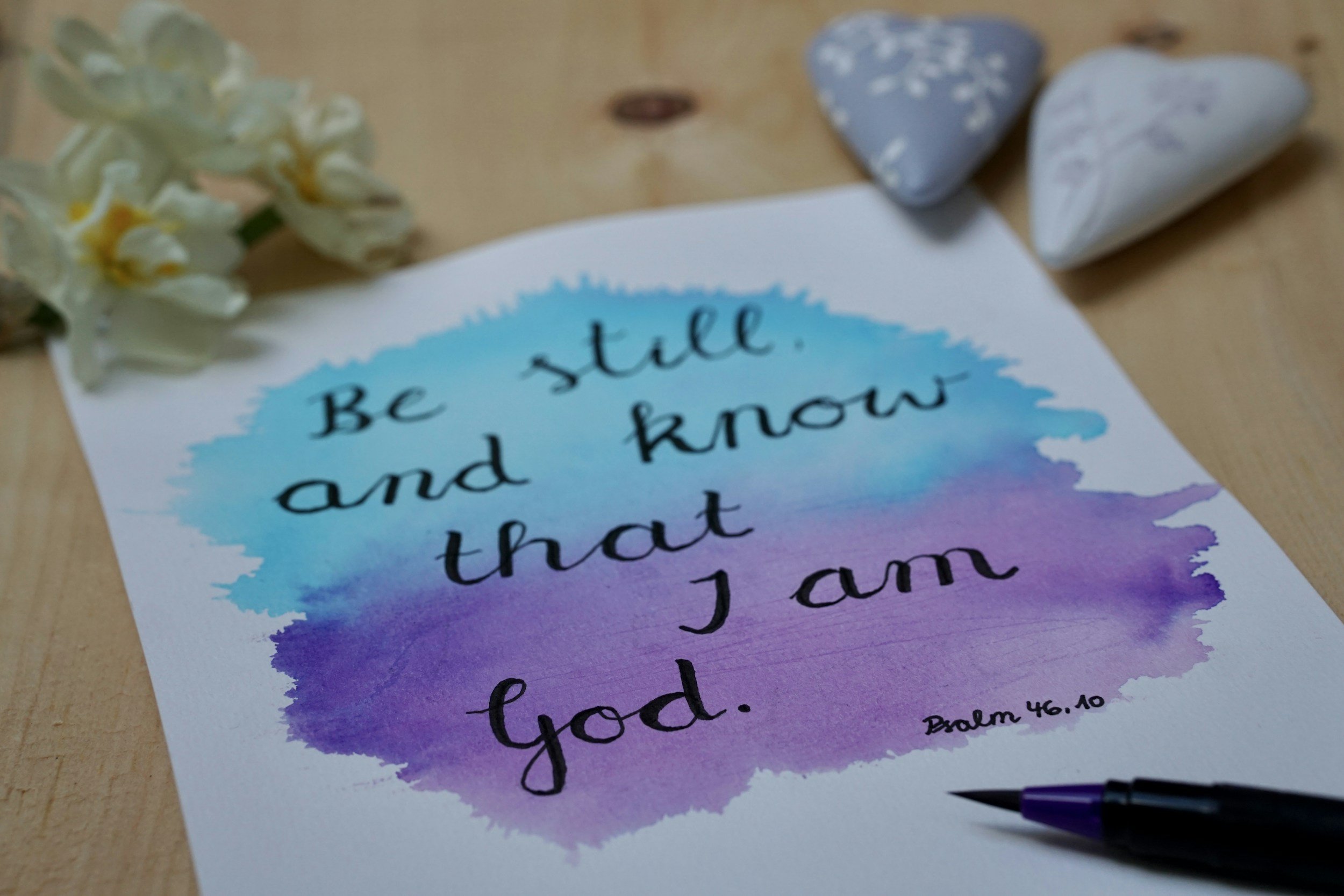
Your teenager has honest questions that they are interested in finding the answers to.
Our Christian faith can withstand these questions.
Secure attachment doesn’t require agreement. On some level ALL parents who value secure attachment with their children know this. Connection does not require agreement. You can say, “I don’t agree with you but I want to understand how you got there.” “I love you whether we agree or disagree.” Faith can hold complexity. One of the developmental gifts of adolescence is the ability to hold this complexity. People can be loving and flawed. A person can make a terrible choice and also have dignity. The church can do beautiful things and also have things that need to be addressed. As your child grows, they can tolerate the ambiguity and the in-between.
What if they don’t want to go to church? There can be practical family decisions to make about church participation, values and expectations, but underneath those decisions is the question; “Can I remain deeply connected to my child while they are figuring this out?” This is deeper relational work, it is vulnerable, risky, terrifying. You don’t have to surrender your values, pretend you don’t care, or stop talking about faith. You may need to stop always turning to spiritual conversations in a crisis, otherwise your child will internalize, “I can’t talk to mom about this.” And that is the opposite of what you want.
What does this have to do with trauma? A LOT. Because we carry our experiences of authority into motherhood. If authority was harsh in your childhood, unpredictable, or controlling, your child’s independence may activate you. If disagreement was punished, your child’s questions feel threatening. If love was conditional, you may fear that your child will interpret your boundaries as rejection, or that their disagreement means they don’t love you. If you grew up in a shame-based environment, you may be especially sensitive to the possibility that your child is making the wrong choice.

Understanding your own nervous system matters and give you a chance to respond instead of react.
You can have convictions without being controlled by fear. You can hold boundaries without this threatening connection. You can be clear about what you believe without making curiosity unsafe.
A child’s questions about their faith can feel like letting go. But this is another form of letting go. Not letting go of your love, your hope, your values, but letting go of the illusion that you can control another person’s faith. This requires trust. And a strong conviction in your own personal faith that your child will find God in the midst of their questions. Sometime, eventually.
How we show them God in this season
In infancy: Faith begins with safety.
In toddlerhood: Faith begins with wonder.
In preschool and elementary: Faith begins with story.
Then in middle school and early adolescence: Faith begins with questions.
We show them God by not only giving them answers, but by making space for their wrestling, listening, staying connecting, modeling humility, allowing complexity, remaining the safe person, even when the questions feel uncomfortable. Our child’s questions do not need to threaten our relationship.
Grace for the journey, healing at the root.